The Best Sardinia Yacht Charter Guide for 2027 and 2028 | Italy

The Boatbookings Expert Guide to Luxury Motor Yacht and Crewed Catamaran Cruising in Sardinia in 2027 and 2028
Introducing Sardinia | Sardinia Crewed Motor Yachts | Sardinia Crewed Sailing Yachts | Sardinia Crewed Catamarans | Sardinia Bareboats
Must-Visit Sardinia Yachting Destinations | Top 10 Things to Do in Sardinia | Sardinia Yachting Itineraries | The Best Time to Visit Sardinia
Getting to Sardinia | History | Culture | Cuisine | Sustainable Yachting in Sardinia | Our Sardinia Charter Yachts
Why Explore Sardinia on a Yacht?
Sardinia brings together some of the best of Italy, from rugged coastlines and secluded coves to mountain trails, charming seaside towns, and a food culture well worth exploring. Its beaches are a major draw, but there is plenty to discover beyond the shore, too. Spend the morning swimming in clear Mediterranean waters, head ashore for a scenic hike, and finish the day over a plate of fresh seafood and local specialties, including Pecorino Sardo, the island’s much-loved sheep’s milk cheese.
A luxury yacht charter lets you experience Sardinia at your own pace, moving between beautiful anchorages, lively waterfronts, and quieter corners of the coast. Spend a lazy afternoon sunbathing on deck, take the tender ashore to explore a coastal village, or cruise towards another stretch of turquoise water when the mood strikes. Whether you’re planning a family getaway or a summer escape with friends, our Charter Experts can help you find the right yacht for your Sardinian adventure.
Enquire for a bespoke itinerary OUR BEST Crewed Motor Yachts OUR BEST Crewed Catamarans OUR BEST Bareboats
The Best Sardinia Yachts in 2027 and 2028


Introducing You to the Sardinia Coast
Set in the western Mediterranean, just south of Corsica and west of mainland Italy, Sardinia is the Mediterranean’s second-largest island. With approximately 1,850 km of coastline, it offers an impressive variety of scenery, from dramatic rocky headlands and sandy beaches to sheltered bays and crystalline waters. For yacht charter guests, the island’s northeastern coast is an especially rewarding place to start, with the glamorous Costa Smeralda, charming marina towns, and the beautiful islands of La Maddalena all within cruising reach.
The Costa Smeralda is Sardinia at its most glamorous. Centered around Porto Cervo, this celebrated stretch of coastline is known for its luxury hotels, designer boutiques, fine dining, and lively summer social scene. Yet a short cruise away, the atmosphere changes completely. The La Maddalena Archipelago National Park encompasses more than 60 islands and islets, including Caprera, Spargi, and Budelli, where sculpted granite formations, sheltered coves, and clear waters make for memorable days of swimming, snorkeling, and exploring by tender. As this is a protected marine area, some activities and anchoring locations are subject to park regulations, so it’s worth planning your stops with your captain.
And why stop at Sardinia? Just across the Strait of Bonifacio lies southern Corsica, where the striking cliffside town of Bonifacio rises above the sea on pale limestone cliffs. Depending on your yacht, itinerary, and conditions, a cruise between the two islands can add another dimension to your Mediterranean escape, combining Sardinia’s beaches and sophisticated marina scene with Corsica’s historic harbor and dramatic coastal scenery. With so much variety within reach, Sardinia is a destination that rewards exploring by yacht, whether you’re drawn to glamorous evenings ashore or peaceful days anchored in a secluded bay.
Top Crewed Motor Yachts in Sardinia

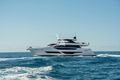
With destinations such as Porto Cervo, the Cala di Volpe, Poltu Quatu, La Maddalena and Bonifacio to visit, a motor yacht is a perfect choice for your Sardinia yacht charter to hop from one place to the next with luxury, speed and style. Offering extensive exterior spaces, perfect for soaking up the Sardinian atmosphere, stunning scenery and sunshine, a luxury motor yacht is an excellent choice for your charter with friends and family next summer!
Sardinia Crewed Motor Yachts Sardinia Crewed Motor YACHT Itinerary
Top Crewed Sailing Yachts in Sardinia

The whole of Sardinia provides outstanding cruising lined with miles of pristine white beaches. North Sardinia is the most popular area, packed with beautiful and diverse anchorages within a short sailing distance of each other. Spend your morning enjoying a short sail to your next destination and the afternoon swimming and soaking up the Mediterranean sun on the spacious deck!
Sardinia Crewed Sailing Yachts Enquire TODAY
Top Crewed Catamarans in Sardinia

With no keel to worry about, a Sardinia crewed catamaran rental is the perfect choice for those wishing to anchor closer to the shore in the shallow waters of La Maddalena Archipelago, a gorgeous spot for snorkelling and swimming. You also benefit from more space and stability, making it extremely comfortable overnight, even when there is a slight breeze.
Sardinia Crewed Catamarans ENQUIRE TODAY
Discover Sardinia on a Bareboat

A bareboat rental in Sardinia is a guaranteed success thanks to the diverse range of adventures and private expeditions you can take your private vessel on. With such proximity to Corsica, it's certainly not out of the question to board in either Portisco or Olbia and visit the impressive cliff town of Bonifacio during your voyage. The Costa Smeralda, as well as the famous Spiaggia Rosa, are destinations that are best seen up close in their full beauty. Chartering a bareboat allows you to do just that.
Sardinia Bareboats Sardinia Bareboat Itinerary
Must-Visit Yachting Destinations in Sardinia
Over the years, our Boatbookings Charter Experts have explored Sardinia and its surrounding islands through first-hand charter experiences, from the glamorous ports of the Costa Smeralda to secluded anchorages and the beautiful coastline of southern Corsica. Below, we share our guide to the key towns, ports and islands to visit, along with the best things to do at each stop. Whether you're after lively beach clubs, charming harbor towns or quiet bays, you'll find plenty of inspiration for your Sardinia luxury yacht charter itinerary.
Tavolara, Molara, and Figarolo
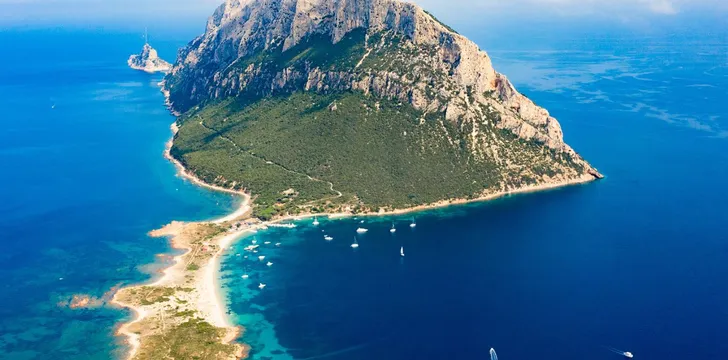
Just off Sardinia's northeastern coast, the islands of Tavolara, Molara and Figarolo are among the most beautiful spots to explore by yacht. Each has a unique landscape: Tavolara's imposing limestone cliffs rise dramatically from the sea, granite giants trace Molara's coastline, and Figarolo offers wild, unspoiled shores. The islands sit within or alongside protected marine areas, where clear turquoise water, rocky seabeds, and rich marine life make this stretch of the coast particularly special. Cruising here gives you the freedom to take in the scenery from the water, find a quiet spot for a swim, and explore some of Sardinia's most remarkable coastal landscapes. It's easy to see why this corner of the Mediterranean is a favorite for yacht charters. There's so much to see within this relatively short stretch of coastline.
Best Things to Do in Tavolara, Molara, and Figarolo:
Cruise Beneath Tavolara's Towering Cliffs: Let your captain take you along the island's dramatic limestone coastline, where the rock face rises hundreds of metres above the water. It's a spectacular stretch to admire from the deck, with plenty of opportunities to take in the views and capture a few photographs.
Swim in Molara's Natural Pools: Head to the Piscine di Molara, a series of shallow turquoise pools surrounded by smooth granite rocks. The exceptionally clear water makes this one of the area's favourite spots for swimming and snorkelling, with small fish often visible beneath the surface.
Cruise Past the Faraglioni Rocks: Let your captain or skipper guide the yacht toward Capri’s iconic rock formations, where the dramatic limestone arches create a spectacular backdrop for photos, relaxed deck time, and an afternoon cocktail at sea.
Stroll Through the Gardens of Augustus: Step ashore for an easy walk through Capri’s terraced gardens, where panoramic viewpoints reveal the winding Via Krupp paths, sheer cliffs, and the deep blue water below.
Enjoy Aperitivo at the Piazzetta: Head into Capri’s glamorous central square for limoncello and boutique browsing before returning to the calm comfort of your yacht for the evening.
Costa Smeralda
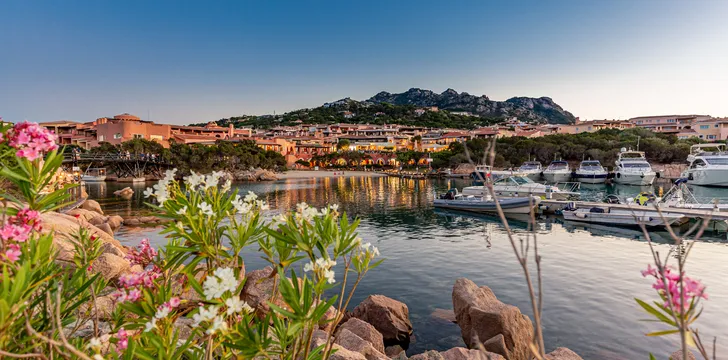
The Costa Smeralda, or Emerald Coast, is one of Sardinia's most celebrated yachting destinations. Stretching along the island's northeastern coast in the Gallura region, this beautiful coastline is known for its emerald-green waters, white-sand beaches and rugged granite headlands. Beyond the natural beauty, dotted along the coast are glamorous marinas, stylish beach clubs, and excellent restaurants.
At the heart of it all is Porto Cervo, a lively waterfront village built around a beautiful natural harbor. Its marina is regularly filled with impressive superyachts during the summer, while the village itself is full of winding lanes, elegant piazzas, designer boutiques and restaurants. Don't miss the distinctive Stella Maris Church, whose whitewashed architecture and sweeping views over the bay make it one of Porto Cervo's most recognisable landmarks. Just down the coast, the bays around Pevero, Capriccioli and Cala di Volpe offer a different side of the Costa Smeralda, with sheltered anchorages, beautiful beaches and clear water that's perfect for a day spent swimming from the yacht. There's plenty to explore beyond Porto Cervo, too. Nearby, Porto Rotondo has its own attractive marina and lively waterfront, while the inland village of San Pantaleo offers a welcome change of pace, with traditional stone buildings, artisan boutiques and a popular weekly market.
Best Things to Do in Costa Smeralda:
Spend the Day at Porto Cervo: Come ashore at the marina and wander through Porto Cervo's elegant piazzas, designer boutiques, and waterfront cafés. Take a look inside the striking Stella Maris Church before settling in for lunch or an evening aperitivo overlooking the harbor.
Swim and Relax Around Capriccioli: Ask your captain to find an inviting spot near Capriccioli, where small sandy coves are framed by granite boulders and Mediterranean greenery. The clear, shallow water is ideal for a refreshing swim, while the nearby islands of Soffi, Camere and Mortorio make a beautiful backdrop.
Explore Porto Rotondo: Cruise down the coast to Porto Rotondo, a charming marina village with a pretty waterfront and lively central piazza. Browse the boutiques, stop for a leisurely lunch, and enjoy a change of scenery from the busier Porto Cervo.
Visit San Pantaleo's Weekly Market: Venture inland to San Pantaleo, a colorful village tucked among the granite mountains of Gallura. If you're visiting on a Thursday, browse its popular market for local produce, handmade crafts, jewellery and antiques before stopping for lunch in the village square.
Anchor off Liscia Ruja: One of the largest beaches on the Costa Smeralda, Liscia Ruja is a beautiful place to spend an afternoon on the water. Its long curve of pale sand, clear emerald-colored sea and views towards the islands of Soffi and Mortorio make it an excellent swimming and sunbathing stop.
La Maddalena Archipelago
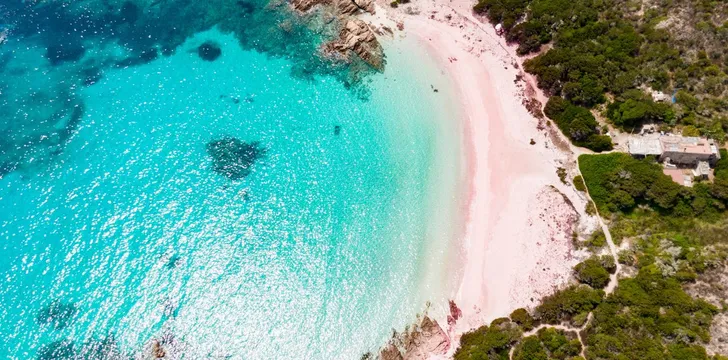
Just off Sardinia's northeastern coast, between the Costa Smeralda and Corsica, lies the beautiful La Maddalena Archipelago. Made up of seven main islands and more than 50 smaller islets, this protected stretch of the Mediterranean is known for its rugged granite landscapes, hidden coves and remarkably clear turquoise waters. Established as a national park in 1994, the archipelago is one of Sardinia's most treasured natural areas, with around 180 kilometres of coastline to explore. Each island has its own appeal, from the lively harbor town of La Maddalena to the quiet beaches and wild landscapes of the smaller islands.
The largest island, La Maddalena, is the only one with a proper town. Its waterfront is lined with cafés, restaurants and shops, while the historic center has charming cobbled streets and pastel-colored buildings. The island has a fascinating maritime history, having served as an important naval base for centuries. In 1793, its defenders famously repelled a French attack involving a young Napoleon Bonaparte, and Admiral Nelson later used the sheltered waters nearby as a base for his fleet. Just across a causeway, Caprera offers a quieter, greener landscape of pine forests, walking trails, and beautiful beaches. It is also where Italian national hero Giuseppe Garibaldi spent the final years of his life, and you can still visit his former home, now a museum.
The real joy of exploring La Maddalena by yacht is discovering the smaller islands and secluded anchorages. Spargi is particularly beautiful, with wind-sculpted granite rocks and sandy coves, while the islands of Razzoli and Santa Maria shelter the stunning natural harbor known as Porto della Madonna. Budelli is famous for Spiaggia Rosa, its delicate pink beach, which is strictly protected and can only be admired from the water.
Best Things to Do in La Maddalena
Explore the Historic Town of La Maddalena: Come ashore at Cala Gavetta and wander through the island's charming old town, with its narrow lanes, little piazzas and waterfront restaurants. Stop for a coffee or a leisurely lunch before browsing the local shops.
Discover Caprera's Beautiful Beaches: Spend the day exploring Caprera's coastline, from the famous Cala Coticcio to the quieter Cala Napoletana. The island is also ideal for kayaking, paddleboarding, and hiking through its Mediterranean landscape. Note that access to some coves, including Cala Coticcio, is regulated and may require a guided visit.
Visit Garibaldi's Home: History enthusiasts can visit the Compendio Garibaldino on Caprera, where Giuseppe Garibaldi lived from 1856 until his death in 1882. The house and surrounding grounds offer an interesting glimpse into the life of one of Italy's most important historical figures.
Swim in the Natural Pools of Porto della Madonna: Between Budelli, Razzoli and Santa Maria, this sheltered stretch of water is known for its vivid shades of blue and emerald. It's a beautiful place to drop anchor where permitted and enjoy a swim in the clear water.
Admire Spiaggia Rosa on Budelli: One of the archipelago's most famous sights, this beach gets its distinctive pink color from fragments of coral, shells, and other marine organisms. It is strictly protected, so visitors cannot walk on the beach or swim within the restricted area, but you can admire it from the designated viewing areas on the water.
Explore Spargi's Secluded Coves: Cruise around uninhabited Spargi and discover beautiful bays such as Cala Corsara, where pale sand meets sculpted granite formations and clear water. It's a lovely place to spend a relaxed afternoon swimming and enjoying the scenery.
Porto Pollo & Isola dei Gabbiani
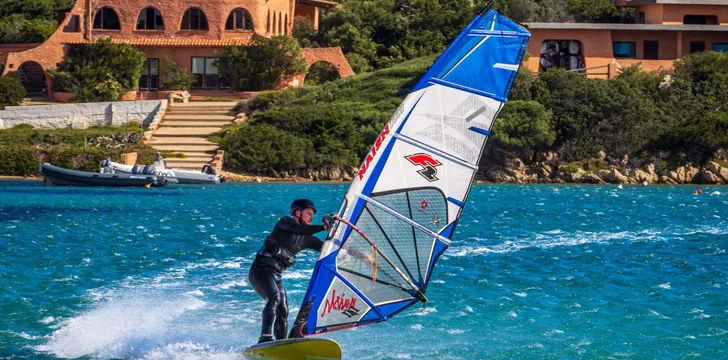
Just south of Palau, on Sardinia's northern coast, Porto Pollo is a favourite among watersports enthusiasts, thanks to its beautiful beaches and reliable winds. A narrow strip of sand connects the mainland to Isola dei Gabbiani, also known as Isuledda, creating two sweeping bays with different wind and sea conditions. Surrounded by white-sand dunes and Mediterranean scrub, the area has a wonderfully natural feel, with views across the water towards the La Maddalena Archipelago. The strong northwesterly Mistral winds make Porto Pollo one of the Mediterranean's best-known destinations for windsurfing and kitesurfing, attracting everyone from first-timers to experienced riders.
The unusual shape of the bay is part of what makes it so appealing. Depending on the wind, one side of the sandy isthmus can be lively and choppy while the other remains relatively calm, giving visitors a choice between watersports and a more relaxed day by the sea. Several local schools offer lessons in windsurfing, kitesurfing and sailing, while kayaks and other equipment are available to rent. If you'd rather stay on dry land, you can settle into one of the beach clubs, enjoy a leisurely lunch overlooking the water or take a walk along the dunes. As the afternoon winds down, the beaches are also a lovely place to watch the sun set over this corner of Gallura.
Best Things to Do in Porto Pollo & Isola dei Gabbiani
Try Windsurfing or Kitesurfing: Make the most of Porto Pollo's famous Mistral winds with a lesson or a session on the water. Local schools cater to beginners and experienced riders, so you can give it a go even if you've never tried before.
Explore Isola dei Gabbiani by Kayak or Paddleboard: Head out along the sandy peninsula and explore the two sides of the bay at your own pace. The calmer conditions on one side can make for a lovely paddle when the wind picks up elsewhere.
Relax on Porto Pollo's Beaches: If watersports aren't your thing, there's plenty of room to spread out on the sandy beaches. Find a spot among the dunes, take a swim in the clear shallows or settle into a beach club for a long lunch.
Lavezzi & Cavallo Islands
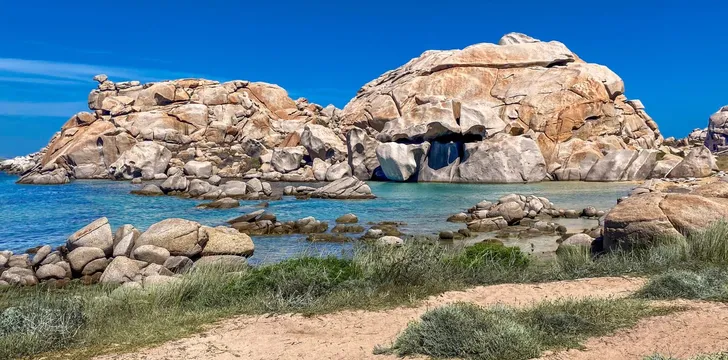
In the Strait of Bonifacio, just south of Corsica, lie the Lavezzi and Cavallo islands. Part of the Bouches de Bonifacio Nature Reserve, this archipelago is known for its striking granite formations, secluded sandy coves and exceptionally clear waters. Lavezzi is the wilder of the two, with an uninhabited landscape of enormous rounded boulders, low Mediterranean vegetation and little beaches tucked between the rocks. Cavallo, its only inhabited neighbour, offers a rather different atmosphere, with a small marina, elegant villas and a handful of places to dine by the sea.
The main island of Lavezzi, known as Lavezzu, is a wonderful place to explore at a slower pace. Its coastline is dotted with beautiful coves, including Cala Lazarina and Cala Achiarina, where pale sand meets brilliant turquoise water. The island also has an interesting history: in 1855, the French frigate La Sémillante was wrecked on its rocky shores during a violent storm, resulting in the loss of more than 700 sailors and soldiers. Today, two small cemeteries and a memorial mark the tragedy. Walking trails lead through the island's unusual granite landscape, past the remains of an old chapel, a lighthouse, and other historic sites. Across the water, Cavallo has long been a favourite hideaway for visitors seeking a quieter, more exclusive corner of the Mediterranean. Its pink-tinged granite rocks, hidden beaches and clear blue waters make it lovely to explore by tender, while the little harbor has a village square, boutiques and restaurants.
Best Things to Do in Lavezzi & Cavallo Islands
Explore Lavezzi's Granite Coves: Cruise around Lavezzi and admire its remarkable granite boulders, sculpted by wind and sea over thousands of years. Your captain can find an authorised mooring area near one of its beautiful coves, where you can enjoy a swim in the clear water.
Discover the Island's History: Follow the marked walking trails across Lavezzu to see the memorial and cemeteries dedicated to the victims of the La Sémillante shipwreck. You'll also come across the ruins of the Santa Maria chapel and the island's historic lighthouse.
Snorkel in the Bouches de Bonifacio: The waters around Lavezzi and Cavallo are known for their rich marine life and excellent visibility. Slip into the water to explore the rocky seabed, keeping an eye out for fish and other Mediterranean marine species.
Enjoy Lunch on Cavallo: Head to La Ferme for a leisurely meal surrounded by granite rocks and Mediterranean vegetation. Its menu combines land and sea specialties, making it a lovely place to stop during a day exploring the islands.
Explore Cavallo's Hidden Beaches: Take the tender around Cavallo's coastline to discover its sandy coves and rocky inlets. The island has a number of beautiful beaches, with clear water that's ideal for a refreshing swim.
Bonifacio
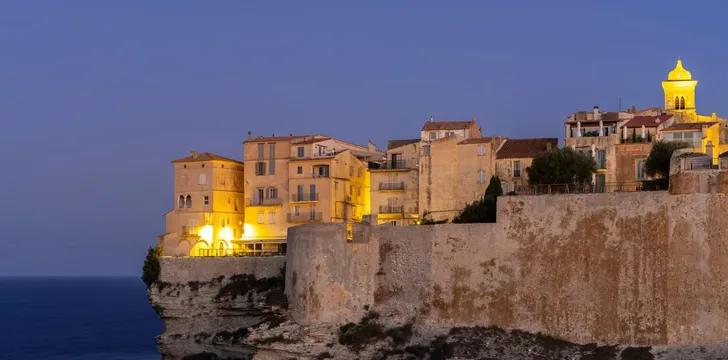
On Corsica’s southern tip lies one of the Mediterranean's most striking harbor towns. Perched atop towering white limestone cliffs, its centuries-old buildings seem to rise straight out of the rock, creating a spectacular sight as you approach by yacht. The town's natural harbor sits at the end of a narrow, fjord-like inlet, with cliffs lining the passage towards the marina. Bonifacio has been an important trading port since ancient times, changing hands between Pisa and Genoa before becoming part of France. Its strong Italian influences are still evident today, from its architecture and local dialect to its food and way of life.
Once ashore, make your way up to the medieval citadel, where narrow cobbled streets wind between old stone buildings, little squares and historic churches. There are lovely views across the Strait towards Sardinia from the upper town, especially around the cliffside promenade and marine cemetery. Back down at the harbor, the waterfront is lined with cafés and restaurants, making it an inviting place to stop for lunch or an evening aperitivo. There's plenty to discover along the coast, too. The limestone cliffs around Bonifacio have been sculpted by the wind and waves into unusual formations, with several sea caves tucked into their base. The surrounding Bouches de Bonifacio Nature Reserve protects a vast area of marine and coastal habitats between Corsica and Sardinia, making this a particularly beautiful part of the Mediterranean to explore by yacht.
Best Things to Do in Bonifacio
Cruise into Bonifacio's Dramatic Harbor: The approach through the narrow inlet is an experience in itself, with towering limestone cliffs rising on either side. Have your captain bring you into the natural harbor for a closer look at the citadel and its waterfront before mooring for a visit ashore.
Explore the Medieval Citadel: Walk through the Genoese Gate and follow the winding streets of the upper town, stopping at the Bastion de l'Étendard and the historic churches along the way. The cliffside viewpoints offer wonderful panoramas across the Strait of Bonifacio towards Sardinia.
Descend the King's Aragon Staircase: One of Bonifacio's most famous landmarks, this dramatic staircase has 187 steps carved directly into the limestone cliff. The descent is steep, but it offers a memorable way to appreciate the town's unusual geography.
Discover Bonifacio's Sea Caves: Explore the coastline by tender or kayak to see the caves and rock formations carved into the limestone cliffs. The Grotte du Chapeau de Napoléon is a particularly interesting sight, while access to some other caves, including Sdragonato, is restricted for safety reasons.
Enjoy Lunch Along the Marina: After exploring the old town, head back down to the harbor and settle into one of the waterfront restaurants. La Caravelle is a popular choice for Corsican and Mediterranean dishes, with tables overlooking the boats in the marina.
Castelsardo, Stintino & Alghero
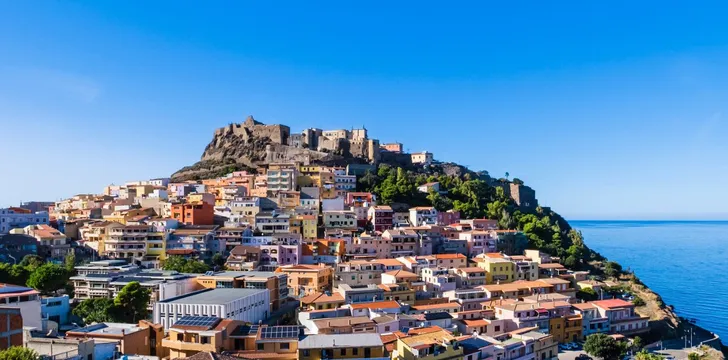
Sardinia's northwestern coast offers a lovely change of scenery from the glamour of the Costa Smeralda, with medieval hilltop towns, traditional fishing villages and some of the island's most beautiful beaches.
Start in Castelsardo, a picturesque medieval town perched on a rocky headland overlooking the Gulf of Asinara. Its colorful houses climb towards Castello dei Doria, a historic fortress that now houses the Museum of Mediterranean Weaving. Wander through the narrow lanes to discover traditional basket weaving, little artisan shops, and the Cathedral of Sant'Antonio Abate, with its distinctive majolica-tiled bell tower. Further west, Stintino is a former fishing village known for its beautiful beaches and clear turquoise waters. Its most famous stretch of sand is La Pelosa, where shallow water and fine white sand create an almost Caribbean-looking scene. Just offshore, the historic Torre della Pelosa makes a lovely backdrop, while nearby Asinara National Park offers a chance to explore a protected island with a fascinating past.
Continue south to Alghero, a charming coastal town with a distinctly Catalan character, a legacy of centuries of Aragonese rule. Its historic center is enclosed by old sea walls and bastions, with cobbled streets, Gothic churches and lively piazzas to explore. Known as the Coral Riviera for its long tradition of coral fishing and jewellery-making, Alghero is also a wonderful place to enjoy fresh seafood before heading out to nearby Capo Caccia and the spectacular Neptune's Grotto.
Best Things to Do in Castelsardo, Stintino & Alghero
Explore Castelsardo's Medieval Old Town: Wander through its narrow cobbled streets, browse traditional basket-weaving workshops, and visit Castello dei Doria for sweeping views over the Gulf of Asinara.
Spend the Day at La Pelosa Beach: Swim in the shallow turquoise waters of Stintino's famous beach, with the historic Torre della Pelosa just offshore.
Discover Asinara National Park: Take a guided excursion around this protected island, known for its rugged landscapes, wildlife and fascinating history as a former prison island.
Explore Alghero's Historic center: Walk along the old sea walls, browse the coral jewellery shops and enjoy fresh seafood in one of the town's waterfront restaurants.
Cala Gonone & the Gulf of Orosei
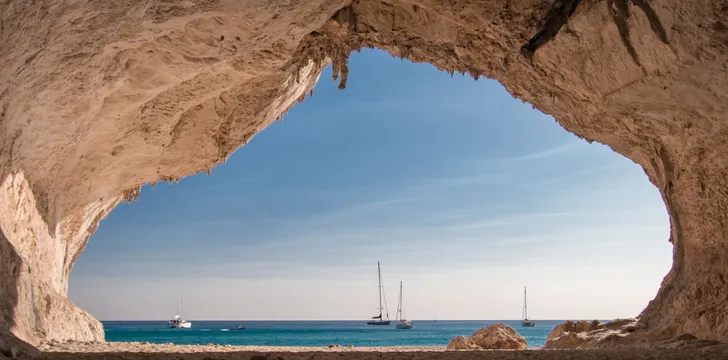
On Sardinia's eastern coast, the Gulf of Orosei is one of the island's most spectacular stretches of coastline. Backed by the rugged Supramonte mountains, this protected stretch of the Tyrrhenian Sea is known for its towering limestone cliffs, hidden sea caves and beautiful coves that are often accessible only by boat. Cala Gonone makes an excellent starting point for exploring the area, with a pretty harbor, a relaxed seaside atmosphere and easy access to some of Sardinia's most remarkable beaches.
Heading south from Cala Gonone, you'll find a succession of secluded bays tucked beneath the cliffs. Cala Luna is one of the best-known, with a crescent of pale sand, clear water and distinctive caves along the shoreline. Further along the coast, Cala Sisine and Cala Biriola offer quieter spots to swim, while Cala Mariolu is famous for its tiny white and pink pebbles and brilliant blue water. At the southern end of the gulf, Cala Goloritzé is particularly striking, with its natural stone arch and dramatic limestone pinnacle rising above the beach. The cove is a protected natural monument, so access is regulated, but it's well worth admiring from the water. The Bue Marino Caves, just north of Cala Gonone, extend deep into the limestone cliffs and were once home to the rare Mediterranean monk seal. Guided visits explore part of the cave system, revealing impressive stalactites, stalagmites, and underground pools.
Best Things to Do in Cala Gonone & the Gulf of Orosei
Swim at Cala Luna: Drop anchor near this beautiful crescent-shaped beach, explore its caves, and enjoy a swim in the clear water.
Discover Cala Mariolu and Cala Goloritzé: Cruise along the coast to admire two of Sardinia's most striking coves, known for their unusual rock formations and vivid blue water.
Explore the Bue Marino Caves: Take a guided tour through the impressive limestone cave system, with its underground pools and fascinating geological formations.
Enjoy a Day Ashore in Cala Gonone: Stroll around the harbor, browse the local shops and settle in for a relaxed seafood lunch overlooking the gulf.
Cagliari & Carloforte
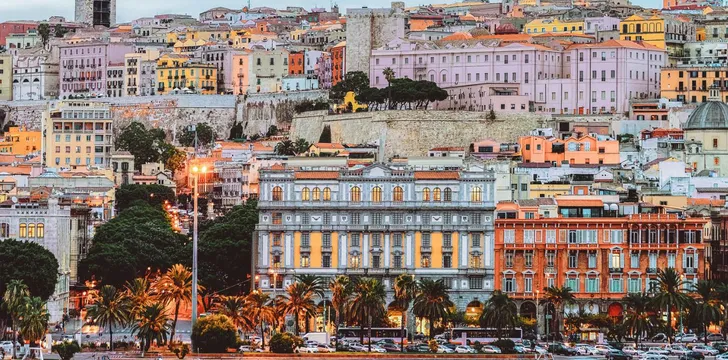
At the southern end of Sardinia, Cagliari and Carloforte offer a different perspective on the island, with historic harbor towns, beautiful coastal scenery and a rich maritime heritage. Sardinia's capital, Cagliari, is a lively city overlooking the Gulf of Angels, where a handsome waterfront meets a historic center full of winding streets, grand churches and lively piazzas. Further west, Carloforte sits on the island of San Pietro, just off the Sulcis coast. Known for its colorful harbor, Ligurian heritage and excellent seafood, it makes a lovely stop on a yacht charter exploring southern Sardinia.
Cagliari is a wonderful place to spend a day ashore. Its historic Castello district occupies a hilltop above the city, with narrow lanes, old palaces and panoramic viewpoints overlooking the harbor and coastline. You can visit the impressive Cagliari Cathedral, explore the medieval towers of Torre dell'Elefante and Torre di San Pancrazio, or wander through the lively Marina quarter, where cafés and restaurants spill onto the streets. Just beyond the city, Poetto Beach stretches for several kilometres along the coast, offering plenty of space for a swim or a relaxed afternoon by the water. Nature lovers can also visit the nearby Molentargius-Saline Regional Nature Park, where flamingos are often spotted in the salt lagoons.
Across the water, Carloforte has a character all its own. The island of San Pietro was settled in the 18th century by a community of Ligurian families from the Tunisian island of Tabarka, and their influence is still evident in the town's architecture, dialect and food. Pastel-colored buildings line the waterfront, while narrow streets lead to small piazzas, local shops and traditional restaurants. Carloforte is particularly famous for its red tuna, celebrated each year during the Girotonno food festival, and you'll find it prepared in everything from grilled dishes to traditional tuna bottarga. Beyond the town, San Pietro's rugged coastline is dotted with sea caves, rocky coves and beautiful swimming spots, making it well worth exploring by tender or yacht.
Best Things to Do in Cagliari & Carloforte:
Explore Cagliari's Historic Castello District: Wander through the medieval streets, visit the cathedral, and enjoy sweeping views over the city and the Gulf of Angels.
Spend an Afternoon at Poetto Beach: Swim, relax on the sand, or stop at one of the beachside bars along this long stretch of coastline just outside Cagliari.
Discover Carloforte's Ligurian Heritage: Explore the colorful waterfront and historic streets, then stop at a local restaurant to try the island's famous red tuna.
Cruise Around San Pietro Island: Discover the island's rugged coastline, including the dramatic cliffs of Capo Sandalo, hidden coves and natural sea caves.
The Top 10 Things to Do in Sardinia
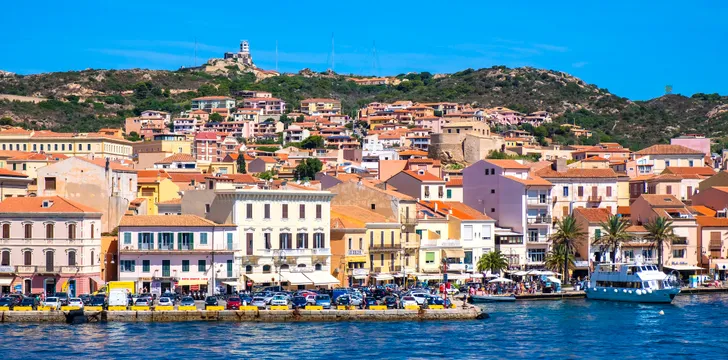
Our Boatbookings Charter Experts have explored the Sardinia coast multiple times. Below, we gathered our must-do activities to experience the best and most authentic of this Italian coast.
1. Discover Figarolo, Tavolara Island and the Natural Pools of Molara
Look out for dolphins around Figarolo Island before cruising beneath Tavolara's towering limestone cliffs. Snorkel in the crystal-clear waters of the protected marine reserve, then cool off with a swim in Molara's beautiful natural pools. You can also head ashore on Tavolara for a relaxed seafood lunch at one of its seasonal restaurants.
2. Enjoy watersports and secluded beaches around Caprera
Discover Caprera's beautiful coastline, from the secluded coves of Cala Coticcio to the inviting waters of Cala Napoletana. Spend the day kayaking, paddleboarding, snorkelling and swimming in dazzling turquoise waters, while your crew arranges a leisurely beach picnic or refreshing drinks back on board.
3. Explore La Maddalena Island by e-bike or quad bike
See another side of the archipelago with a guided e-bike or quad bike adventure around La Maddalena Island. Follow scenic coastal roads, discover hidden beaches and stop at panoramic viewpoints overlooking the surrounding turquoise waters. Take a break ashore for lunch at La Grotta, famous for its lobster pasta, or enjoy an aperitivo at I Vitelloni.
4. Cruise the Lavezzi Islands and enjoy lunch at La Ferme
Cruise through the turquoise waters of the Lavezzi Islands, where sculpted granite formations frame beautiful swimming and snorkelling spots. Continue to nearby Cavallo Island for a memorable lunch at La Ferme, surrounded by the island's beautiful Mediterranean scenery.
5. Sail to Bonifacio and explore its grottoes and harborfront
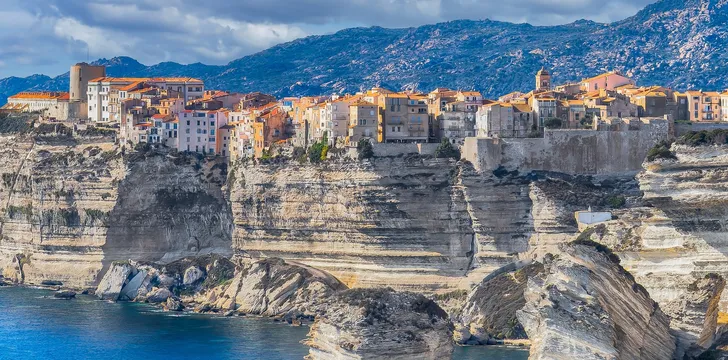
Cross the Strait of Bonifacio to discover southern Corsica's magnificent limestone cliffs, dramatic sea caves and historic hilltop citadel. Explore the coastline from the water before heading ashore for dinner at the legendary La Caravelle, followed by cocktails at B52 overlooking the harbor.
6. Experience exclusive beach clubs and legendary sunsets
Arrive by tender at Nikki Beach Costa Smeralda for a stylish afternoon of champagne, fine dining and music by the sea. Alternatively, head to Phi Beach in Baja Sardinia, where sunset cocktails come with sweeping views over the Mediterranean and a lively evening atmosphere.
7. Discover Porto Pollo's watersports and laid-back beach lifestyle
Known for its reliable winds and excellent conditions, Porto Pollo is one of Sardinia's favourite destinations for windsurfing and kitesurfing. Try a guided watersports lesson, explore the surrounding beaches and enjoy the relaxed atmosphere of nearby Isola dei Gabbiani.
8. Indulge in a gourmet Sardinian food and wine experience
Step ashore at Agriturismo La Colti, a charming family-run farmhouse in the Gallura countryside near Cannigione. Enjoy a traditional Sardinian feast beneath an ancient carob tree, featuring handmade pasta, local cheeses, and slow-roasted suckling pig prepared over an open fire. Pair your meal with regional wines, or join a traditional cooking class to discover the secrets of Sardinian cuisine. For a more exclusive gathering, the farmhouse can even be privately reserved for your group. You can also arrange a private wine tasting at the renowned Capichera vineyards.
9. Explore Porto Cervo's glamorous boutiques and fine dining
Come ashore in the heart of the Costa Smeralda to browse designer boutiques, wander through elegant piazzas, and soak up Porto Cervo's glamorous atmosphere. When evening arrives, settle in for an exceptional dining experience at Zuma Porto Cervo or the highly acclaimed Langostera.
10. Explore the charming village of San Pantaleo
Nestled among the dramatic granite mountains of the Costa Smeralda hinterland, San Pantaleo offers a charming change of pace from the coast. Wander through cobbled streets lined with artisan boutiques and art galleries, and visit its famous Thursday morning market. Afterwards, enjoy a leisurely alfresco lunch in the village piazza, surrounded by the beautiful mountain scenery.
Enquire for a bespoke proposal
Sardinia Yachting Itineraries
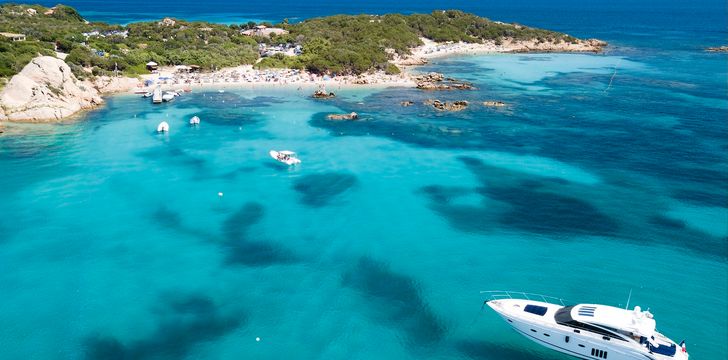
One of the best things about a Sardinia yacht charter is how much coastline you can cover, from the glamorous Costa Smeralda and the islands of La Maddalena to the dramatic cliffs of Corsica. Whether you'd like to spend a week exploring northern Sardinia aboard a motor yacht or venture farther west towards the French Riviera, there are plenty of ways to shape your time on the water. Take a look at our favourite Sardinia yachting itineraries for inspiration, including a Sardinia to French Riviera motor yacht itinerary, a Northern Sardinia motor yacht itinerary, and a Northern Sardinia crewed catamaran itinerary.
7-Day Northern Sardinia CREWED Motor Yacht Itinerary 7-Day Northern Sardinia Crewed Catamaran Itinerary7-DAY SARDINIA TO FRENCH RIVIERA CREWED MOTOR YACHT ITINERARY
The Best Time to Visit Sardinia
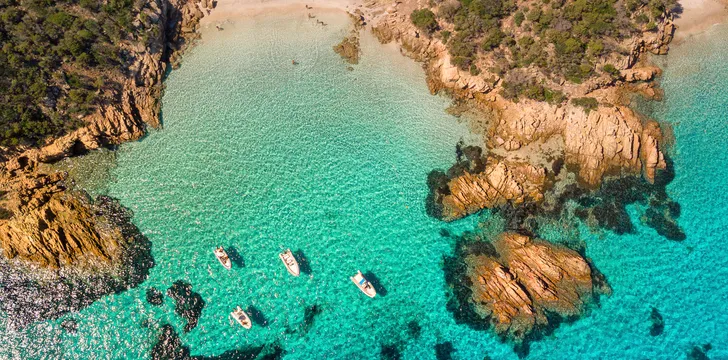
Sardinia has a Mediterranean subtropical climate that is perfect for yachting holidays. It has long, dry summers and mild, damp winters with snow only in the higher regions. The average temperatures lie between 14° C and 20° C, and temperatures in the summer months rise, particularly in the coastal regions to approximately 30° C.
In Sardinia, the duration of the seasons is different from that of other Central European countries. Winter lasts from December to February, and around Christmas, the so-called Saint Martin Summer ("estate di San Martino") normally brings mild temperatures of around 18 °C for 4 to 5 days.
Spring begins in March, which gives way to an early Summer in the middle of May. July and August are high Summer months. September it is still summery warm (and much less crowded), and in October, late summer temperatures still prevail. The month of November represents the short Sardinian autumn before it becomes winter in December with humid days.
The island is surrounded by the warm Mediterranean Sea and sees plenty of sun. Sardinia enjoys 7 hours of sunshine each day in April, rising to 11 hours in July.
Winds: The dominant wind is the Mistral, which blows from the northwest. It is most prevalent in winter and spring but doesn't blow periodically throughout the year.
Sea Temperature: The Sardinian region of the Mediterranean Sea not only looks beautiful, but it stays warm all year. Even in the coldest months, January to March, the sea temperature does not fall below 13 °C. From June to September, it’s 21-23 °C, and in July and August, up to 26 °C.
Sardinia Crewed Catamarans Sardinia Crewed Motor Yachts
Getting to Sardinia
By Plane
The easiest way to reach Sardinia is by plane. Cagliari, Alghero and Olbia are the three main airports, and they all receive international flights, with charter flights arriving from all over Europe. Those coming from North America and Asia will invariably have to change at Rome, Naples or Milan.
Cagliari-Elmas Airport in the south of the island is Sardinia’s main airport and has the best facilities and the best overseas connections. Olbia Costa Smeralda Airport is situated on the northeast coast and serves Costa Smeralda, while Alghero-Fertilia Airport serves the north and northwest of Sardinia. As the island is quite large, it's a good idea to fly to the airport nearest your destination if at all possible to avoid high taxi fares.
By Ferry
It's perhaps more romantic to approach Sardinia by ferry, especially when you plan to bring your own car. Slow and fast ferries run daily to Sardinia, including overnight services. These ferries have cabins, bars and restaurants, and are best booked ahead of time. The major ferry routes go from Genova, Livorno and Piombino to Olbia, Golfo Aranci and Porto Torres in the north and northeast of the island and from Palermo (Sicily), Naples and Civitavecchia (Rome) to Cagliari.
SARDINIA Crewed Catamarans SARDINIA Crewed Motor Yachts
History of Sardinia
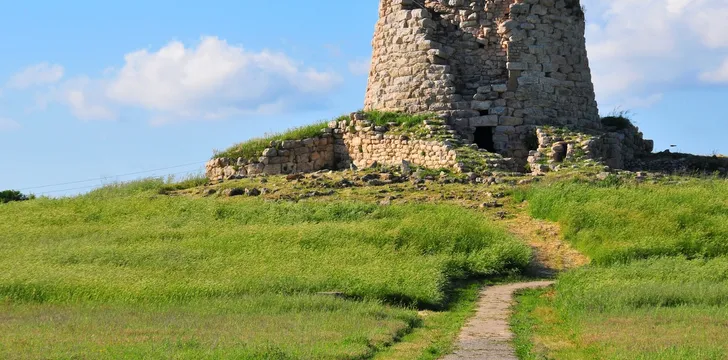
Sardinia's position at the heart of the Mediterranean made it an important meeting point for ancient civilizations. Its history therefore stretches back thousands of years, with each people who called the island home leaving a little of their culture behind.
Long before the Romans arrived, Sardinia was home to the Nuragic civilization. These people built thousands of distinctive stone towers known as nuraghi, some of which you can still explore today, thousands of years after they were built during the Bronze and Iron Ages. Phoenicians and Carthaginians later established settlements along the coast, followed by the Romans, whose influence can still be seen in archaeological sites across the island. In the centuries that followed, Sardinia passed through Byzantine, Pisan, Genoese, and Aragonese rule before becoming part of the Kingdom of Italy in 1861. Each period left its mark on the island, and you can still find traces of its long and fascinating history as you travel around Sardinia.
Culture of Sardinia
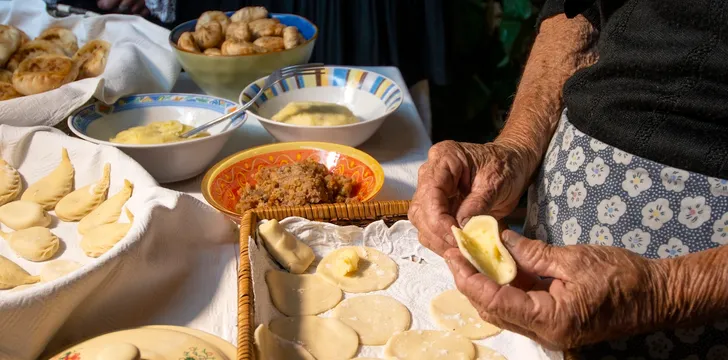
Sardinia has a strong sense of identity, and many of its traditions are still very much part of everyday life. The island's culture reflects its pastoral roots and centuries of Mediterranean influences, from its distinctive language and folk music to colorful festivals, traditional costumes, and local handicrafts.
Food is another big part of Sardinian culture, with recipes and cooking traditions passed down through generations. You'll find handmade pasta, fresh seafood, locally produced pecorino cheese and regional wines like Cannonau and Vermentino on menus across the island. Look out for traditional weaving, ceramics and filigree jewellery, too, particularly in the smaller villages where local artisans continue to practise these crafts.
Sardinian Cuisine
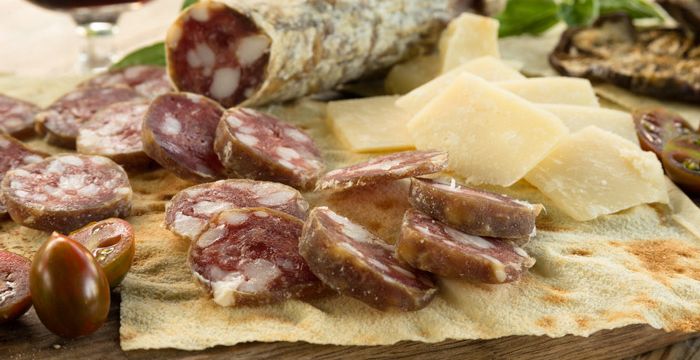
Sardinian cuisine is all about making the most of good, fresh ingredients. The flavours are simple but full of character, reflecting the island itself: fresh fish and seafood from the coast, aromatic herbs from the mountains, and fruit and vegetables ripened in the warm Mediterranean sunshine.
Seafood naturally takes center stage, and you'll find plenty of ways to enjoy the day's catch. Lobster, for example, is prepared differently depending on where you go: with citrus in Alghero, tomatoes in Bosa, grilled in Sant’Antioco or cooked with white wine in Santa Teresa di Gallura. Another local favourite is bottarga, made from salted and dried mullet or tuna roe. Often grated over pasta or served in thin slices, it's sometimes called Sardinia's caviar and is particularly popular along the island's southwest coast.
There's no shortage of places to eat, either, from casual pizzerias to elegant restaurants serving refined takes on local dishes. For a taste of traditional Sardinian cooking, make time for an "agriturismo". These countryside farm restaurants often serve set menus featuring local specialities, starting with pane carasau, the island's famously thin, crisp flatbread, alongside cured ham, sausages and pecorino cheese. Homemade pasta is usually on the menu, too, including culurgiones, stuffed pasta parcels, and malloreddus, small ridged pasta shells often served with sausage and tomato sauce. For the main course, look out for porcheddu, Sardinia's much-loved suckling pig, traditionally slow-roasted with herbs and served with potatoes.
And don't skip dessert! One of the island's best-known treats is seadas, a fried pastry filled with cheese and finished with a generous drizzle of honey. After your meal, try a glass of mirto, a traditional liqueur made from myrtle berries, or a local limoncello.
Sardinia also has a long tradition of winemaking, with a variety of regional wines worth discovering over a leisurely lunch or dinner. Cannonau, a robust red, is perhaps the island's best-known variety, while Vermentino is a crisp white that pairs particularly well with seafood. You'll also come across Carignano del Sulcis, Monica, Nuragus, Malvasia and Vernaccia, each with its own character and regional roots. Whether you prefer a full-bodied red or a refreshing glass of white, there's plenty to sample along the way.
Sustainable Yachting in Sardinia
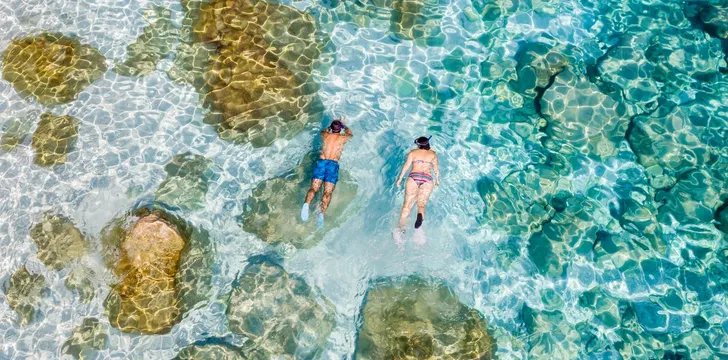
Sardinia is home to some of the Mediterranean's most beautiful coastal landscapes and marine habitats, and there are growing efforts to protect them. One important focus is the preservation of Posidonia oceanica, the underwater seagrass meadows that provide shelter for marine life, absorb carbon, and help protect the coastline from erosion. Projects such as ARTEMIS in northern Sardinia and MED-SEA-GRASS in the Gulf of Oristano are working to restore damaged meadows, while new regional guidelines are bringing greater attention to responsible boating and mooring practices.
As you explore the island by yacht, you can do your part by following the rules in its marine protected areas, using designated mooring buoys where available and avoiding anchoring over Posidonia meadows. The La Maddalena Archipelago and Tavolara–Punta Coda Cavallo, in particular, have regulations in place to protect their fragile seabeds. You can also make more conscious choices along the way, from choosing a yacht with more efficient or electric propulsion to supporting local restaurants and producers. With a little care, you can enjoy Sardinia's beautiful waters while helping preserve them for future visitors.
Our Sardinia Charter Yachts
Boatbookings will work with you to understand your preferences, requirements, and match them to the perfect yacht. We can organise all types of boat hire in Sardinia and surrounding waters for your next yacht charter holiday and vacation.
Contact us for a Personalised Charter Proposal
Similar Destinations: Amalfi Coast | Italian Riviera | Tuscany | Sicily | The French Riviera | Monaco | Corsica | Mallorca | Ibiza | Croatia | Greece | British Virgin Islands