Myth vs. Reality: The Truth About Electric Boating

The use of electric technologies within the electric boating sector isn’t new. For some years now, the industry has been undergoing a revolution with the rise of electric propulsion systems. While the technology promises a greener and quieter boating experience, many myths and misconceptions surround electric boats. 

At Boatbookings, we have been champions of electric boating. That’s why we offer a range of greener crewed catamarans with electric propulsion. 

Here, we separate fact from fiction when it comes to the myths and misconceptions of electric boating: 
Myth: Electric boats have limited range 

One of the biggest concerns about electric boats is their perceived limited range. However, advancements in battery technology and energy management systems have significantly increased the range of modern electric boats. The Eco range from Sunreef, the world’s leading manufacturer of electric catamarans, boasts an unlimited range under favorable and sunny weather conditions, thanks to the advanced battery systems and their innovative and integrated solar panels within the superstructure. 

Myth: Electric boats lack power and performance 

Another common misconception is that electric boats are sluggish and lack the power and performance of traditional diesel-powered vessels. But in reality, electric motors can provide instant torque and powerful acceleration, making them incredibly responsive on the water. Candela, the first fast and long-range electric boat on the market, with top speeds of up to 30 knots, is an example of this performance level. 

Myth: Electric boats are not as luxurious 

Some believe that electric boats lack the luxury amenities found on traditional boats, but this is far from the truth. Today, many electric boat manufacturers focus on creating vessels combining cutting-edge technology with luxurious designs and premium materials. These boats are being designed at the forefront of technology and design and, therefore, will combine the highest quality. The range of electric crewed catamarans we have available with Boatbookings is all of superior quality with luxurious amenities onboard. 

Myth: There is limited charging infrastructure 

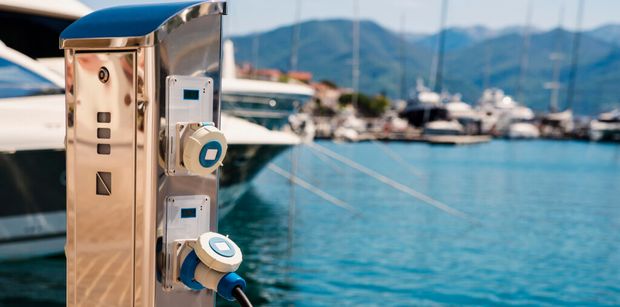
While electric boats require charging up, many fear the lack of infrastructure. However, while this may have been an issue, many marinas and docking facilities are now equipped with charging stations to recharge while docked. Around the world, we have seen a massive uptake in governments investing in fast-charging networks. Private companies have also seen this opportunity and are installing more and more charging points for boats. Many electric-powered boats also have further energy generation, such as solar panels, to extend the range without external charging. 

As the electric boating sector continues to evolve, it’s essential to understand the capabilities and limitations of these vessels. With continued advancements in technology and infrastructure, electric boating is poised to become an increasingly popular and sustainable choice for those wanting a greener crewed catamaran charter. Contact one of the team at Boatbookings to talk more about electric boating and the fleet of greener crewed catamarans we can offer for your next boating vacation. 
A Greener Horizon: 3 Powerful Shifts Driving the Boating Sector

The boating sector is transforming significantly as global issues become more pressing. There has been increased investments in the blue economy, education, and new EU regulations to combat greenwashing. 

At Boatbookings, we advocate for these positive changes. Our last blog was on our commitment to empowering a green yacht charter industry, so this week, we are exploring how other current developments are helping improve the industry. 

The Blue Economy 

As industries worldwide recognize the oceans’ economic potential, the blue economy has emerged as a focus. The term encompasses various maritime-based activities, from renewable energy and marine transportation to coastal tourism. 

Recent data shows that investments in the blue economy are on the rise. Driven by the need to harness the ocean’s resources more sustainably. The EU recently pledged to invest €1 billion in alternative fuels. These investments create new opportunities for the yachting industry to innovate and adopt more eco-friendly practices. From developing electric and hybrid propulsion systems to using recyclable materials in boat building. 

Tackling Greenwashing 

The EU has also taken action to address the challenge of greenwashing, the practice of making misleading or exaggerated claims about a product or service’s environmental benefits. The new EU Green Claims Directive aims to bring more transparency and accountability to companies’ communication of environmental credentials. 

This will encourage yacht manufacturers and other industry players to substantiate any green claims, ensuring that the messaging aligns with the impact of operations. The Directive will accelerate the industry’s transition to more sustainable practices. 

Upskilling For Greener Boating 

The recently announced EU-funded project focuses on facilitating the skills needed for the green energy transition in the maritime industry. Through targeted training programs and collaboration, this initiative equips maritime sector professionals with the knowledge and expertise required to drive sustainable change. This upskilling through the TEcoNaut project is vital to ensure businesses can facilitate positive changes. The project has recently stated that the development of green technology in boatbuilding can only be achieved through collaboration among higher education institutions. 

Investing in upskilling initiatives and greener technology while ensuring transparency are vital factors for a more sustainable boating industry. Contact one of the Boatbookings team to discuss your next yacht charter needs and learn about our greener alternatives, such as our greener crewed charter catamarans

How to Have a Greener Family-Friendly Yacht Charter in the Mediterranean this Summer 

A yacht charter offers the perfect opportunity for an unforgettable, family-friendly vacation this summer. At Boatbookings, we understand the importance of quality time together while instilling eco-values from an early age. That’s why our fleet of greener crewed charter catamarans is family-friendly. 

Our child-friendly yachts check every box, from enhanced safety features and ample play space to overflowing toy boxes and chefs catering to all ages. We also go a step further by offering engaging eco-activities and more sustainable practices that will inspire the next generation. 

Here, we have put together some of the ways you can have a greener family-friendly charter in the Mediterranean

Marine Life Education 

While onboard in the Mediterranean this summer, there are plenty of activities to get your children excited about marine life and preserving it. You can start this process by using mobile apps to identify tropical fish, dolphins, turtles, and other creatures you encounter. The crew onboard a crewed charter catamaran can also teach children about marine habitats and how to be responsible visitors to the ocean, following the “no trace” principles. There are lots of Marine Protected Areas (MPAs) throughout the region, from Greece and Croatia to the French Riviera and the Italian islands, where you can adhere to the strcit rules and regulations working to protect the habitats.

Beach Clean Ups 

Participating in a beach clean-up during your boat charter is a rewarding experience, perfect for all ages. Collecting litter and debris allows families to directly contribute to protecting the surrounding ecosystems. Initiatives such as these can help families feel empowered knowing they have been part of the solution to protecting our oceans and coastlines. 

Eco-Friendly Water Fun 

Children and adults alike on a crewed charter love the toy box. There are a whole host of greener toys you can play on, contributing to more eco-friendly boating and steering clear of the fuel-guzzling water toys and opting for the greener versions, such as the electric-powered toys or even the human-powered ones such as paddleboarding and kayaking while onboard. While ashore, the crew can also arrange responsible activities contributing to the local economy and supporting environmental and conservation initiatives. 

Better Boating Practices 

Our selection of greener crewed catamarans offers a greener charter experience for you and your family. These boats are a great platform to explain the best practices. The crew can educate everyone about the renewable energy sources being used, such as hybrid electric motors and solar panels. Onboard, you can get invovled in the responsible waste management programs and using the eco-friendly products. 

Book Today! 

If you are interested in a family-friendly boat charter, contact one of the Boatbookings team members to discuss this further. We have a range of greener crewed catamarans with still some available for this summer’s Mediterranean season. Get in touch today! 

The New Game-Changing Green Technology Disrupting the Boating Sector 

As the boating sector looks at more ways to protect our oceans and reduce its environmental impact, there is a growing demand for more sustainable solutions. With today’s environmental concerns, green boating is more critical than ever before, and many innovative companies and organizations are stepping it up with new, greener technologies. 

What is Green Technology?

Green Technology is an umbrella term for technologies that create services and products with less impact on the planet and oceans. In the boating sector, this can include greener propulsion systems, alternative fuels, hull design, sustainable materials, and eco-friendly accessories. 

At Boatbookings, we remain ahead of these developments to ensure that we are aware of the technologies and look at yacht builders that utilize them. We help facilitate this through our fleet of greener crewed charter catamarans.

Here, we explore some of the latest developments in green technology within the boating and broader maritime sector:

Scaling Up Electric 

Boating has been moving toward electric in the last few years in a big way, and more developments are continuing to push electric technology into the fore. Most recently, the electric hydrofoil boat company Candela has secured its most significant funding round to expand the production of its P-12 fast electric ferry. A key partner in this is Group Beneteau. This funding will help scale up production to meet demand for the world’s first electric hydrofoil ferry. Scaling up innovative solutions aligns with both company’s objectives for more sustainable boating. 

Facilitating Alternative Fuels 

Along with developments in the electric market, there are also considerable efforts to utilize alternative fuels across the maritime industry. One example is the recent launch of Monaco’s first autonomous green hydrogen pontoon for recreational boating. Launching this floating facility will produce green hydrogen from renewable energy sources to refill and supply multiple teams with this greener fuel in preparation for the Monaco Energy Boat Challenge. This development promotes the usage and facilitation of more eco-responsible energy resources in boating. 

Integrating AI

The rise of digital innovation driven by artificial intelligence (AI) is helping make the entire sector more sustainable. A recent collaboration between Hyundai and Naver aims to revolutionize how vast amounts of maritime data gets utilized through big data analytics and AI-drive learning algorithms. This AI can provide optimal navigation routes and insight for enhanced operational efficiency and environmental sustainability through data-driven decision-making. Currently, this development is within the shipbuilding and commercial maritime sectors, but these notable AI developments will eventually filter down to the boating and yachting sectors. 

Better Materials 

Boat builders are constantly rethinking the materials used in construction and finding innovative solutions. Natural fibers like flax are substituting fiberglass composites and integrating more recycled plastics. The interiors of boats are also being considered, along with materials such as cork, bamboo, and other eco-friendly options used for upholstery and fabrics. A prime example of using better materials is highlighted through the recent launch of North Sails RENEW sails, where over 90% of the sails are constructed from bio-based or recycled materials while not comprising performance or longevity. 

From recreational boating to large-scale commercial shipping, the entire maritime industry is rapidly accelerating the implementation of greener technologies to advocate for more environmentally responsible experiences. We are optimistic that we will continue to see more sustainable solutions emerge and that the boating sector will become greener. If you want to discuss our greener crewed charter catamarans for your Mediterranean summer charter, contact one of the Boatbookings team today. 

Fueling the Future: What is Best for the Boating Industry?

The boating industry has been increasing its focus on sustainability and reducing its environmental impact for some time now. As concerns over climate change and fossil fuel depletion mount, many boat builders are setting their sights on utilizing alternative fuels in the future. 

At Boatbookings, we consistently work to minimize our impact on the oceans and always offer our clients greener crewed catamaran options. 

With the advancements in technology and a growing demand for greener solutions, a range of alternative fuel options are emerging as viable contenders for the future of boating. We take a look at them here: 

Electric 

Electric propulsion systems, powered by advanced battery technologies, have become more prevalent in today’s boats. These systems eliminate the need for traditional combustion engines, significantly reducing carbon emissions and noise pollution. While there are still challenges in terms of range and charging infrastructure, battery technology is constantly improving, and today, charging within the marina is increasing, making this a better option. 

Biofuels 

A promising alternative is biofuel, derived from renewable sources such as plant materials and agricultural waste. One example being used in boating is Hydotreated Vegetable Oil (HVO). The benefit of this fuel is that it can be placed within existing diesel engines and, therefore, can be used for the existing fleet as it can be mixed with diesel and has been said to cut carbon emissions by 90%. At the moment, the availability of this fuel remains limited, and therefore, it is not accessible to many boats, but this is improving with demand. 

Hydrogen 

Hydrogen can be used in combustion engines and fuel cells and has been said to be the most sustainable. Therefore, hydrogen is one of the central elements of the energy transition. However, there are challenges for the boating industry. The use of hydrogen presents issues such as the large amount of volume to store and the amount of energy required from renewable sources to produce it.

Methanol 

This has been one of the leading alternative fuel options, and while not yet available for yachts, it is the most likely for the next generation of commercial shipping. However, storing methanol onboard requires much more volume, resulting in less usable space. As an alternative, this fuel can also be used via fuel cells to generate electric power. Lurssen has long been working with alternative fuel technology. They developed fuel cell propulsion technology using hydrogen, reformed from methanol.

Hybrid 

Hybrid diesel-electric engines are becoming extremely popular in boating. This alternative results in higher efficiency, lower fuel consumption, and fewer emissions. It also allows the integration of different energy sources, such as hydro generation and solar. Hybrids also will enable the mixing of mechanical propulsion with electrical propulsion. 

Solar

Solar energy has become a valuable addition to energy and is an excellent use of natural energy. Silent Yachts and Sunreef catamaran builders facilitate solar panels within their catamaran design. While solar energy is a good addition and valuable in the energy mix for hybrids, more is needed to fuel larger yachts. 

As the boating industry continues to pursue more sustainable alternatives, each fuel option has its unique set of pros and cons. Factors such as price, availability, storage requirements, safety considerations, and viability must be evaluated to determine the best option. 

The discussion is endless. At Boatbookings, we are committed to staying on top of the alternatives and implementing more ways to reduce our impact. To find out more about chartering one of our greener crewed catamarans, contact a member of the Boatbookings team today.